Unlocking the Power of Herbal Supplements: A Complete Guide to Natural Wellness

—
Introduction – Why Everyone’s Talking About Herbal Supplements
Imagine walking into a pharmacy aisle and seeing rows of bright‑colored bottles labeled “Turmeric Curcumin,” “Ashwagandha,” “Echinacea Complex,” and “Milk‑Thistle Liver Support.” In the past decade, those shelves have exploded with options, and the conversation around herbal supplements has moved from “alternative” to mainstream.
Why? Because more people are looking for natural remedies that can complement a busy lifestyle, support specific health goals, and—most importantly—do so with fewer synthetic chemicals. Whether you’re a seasoned wellness enthusiast or just curious about adding a plant‑based boost to your routine, understanding the science, safety, and selection process behind herbal supplements is essential.
In this comprehensive, 2,000‑word guide, we’ll demystify herbal supplements, explore the most popular botanicals, give you a step‑by‑step roadmap for choosing quality products, and share actionable tips to integrate them safely into your daily life. Let’s dive in and discover how the ancient wisdom of herbs can empower modern health.
—
1. The Science Behind Herbal Supplements
1.1 What Exactly Is an Herbal Supplement?
A herbal supplement is a product that contains plant‑derived ingredients—leaves, roots, bark, seeds, or flowers—processed into capsules, tablets, powders, teas, or liquid extracts. Unlike prescription drugs, herbal supplements are regulated in many countries as dietary supplements, meaning manufacturers are responsible for safety and labeling, while the government does not approve them for treating disease.
1.2 How Do Herbs Work?
Plants produce a complex cocktail of phytochemicals (e.g., flavonoids, alkaloids, terpenes, polyphenols) to protect themselves from pests, UV radiation, and disease. When humans consume these compounds, they can interact with our biological pathways in several ways:
| Mechanism | Example |
|———–|———-|
| Antioxidant activity – neutralizing free radicals | Green tea catechins, turmeric curcumin |
| Anti‑inflammatory effects – modulating cytokines | Boswellia serrata, gingerol |
| Adaptogenic response – helping the body adapt to stress | Ashwagandha, rhodiola |
| Hormonal modulation – influencing endocrine function | Black cohosh, fenugreek |
| Immune support – stimulating immune cells | Echinacea, elderberry |
These actions are often multifaceted, meaning a single herb can influence several pathways simultaneously—a key reason why many people experience holistic benefits.
1.3 Evidence‑Based Herbs: What the Research Says
While the market is saturated with claims, a growing body of peer‑reviewed studies supports the efficacy of several popular botanicals:
| Herb | Primary Benefits | Notable Clinical Findings |
|——|——————|—————————|
| Turmeric (Curcuma longa) | Joint health, antioxidant, cognitive support | Meta‑analysis (2020) shows curcumin reduces pain scores in osteoarthritis by ~30% |
| Ashwagandha (Withania somnifera) | Stress reduction, sleep quality, testosterone boost | Randomized trial (2021) reported 44% reduction in cortisol levels |
| Echinacea purpurea | Upper‑respiratory infection prevention | Cochrane review (2014) found a modest 58% reduction in cold incidence |
| Milk‑Thistle (Silybum marianum) | Liver detoxification, antioxidant protection | Systematic review (2019) indicated improved liver enzyme profiles in hepatitis patients |
| Ginkgo biloba | Cognitive function, circulation | Large trial (2012) showed modest improvements in memory recall for older adults |
When you see a herbal supplement marketed for a specific benefit, look for these kinds of clinical references. They signal that the product isn’t just “hype” but has a research foundation.
—
2. Choosing High‑Quality Herbal Supplements
2.1 Read the Label Like a Pro
| Label Element | What to Look For |
|—————|——————|
| Botanical name (e.g., Echinacea purpurea) | Guarantees you’re getting the correct species |
| Standardized extract (e.g., “standardized to 5% withanolides”) | Indicates a consistent amount of active compounds |
| Dosage (mg per serving) | Compare with clinically studied doses |
| Other ingredients (fillers, binders) | Avoid unnecessary additives like artificial colors or excessive sugars |
| Third‑party certifications (USP, NSF, ConsumerLab) | Confirms purity, potency, and absence of contaminants |
2.2 Verify Purity & Safety
Contamination is a real concern. Heavy metals (lead, arsenic), pesticide residues, and microbial growth can sneak into poorly sourced herbs. To protect yourself:
1. Choose brands with GMP (Good Manufacturing Practices) certification – ensures strict quality controls.
2. Look for third‑party testing results – many reputable companies post a PDF of their lab analysis on the product page.
3. Avoid “proprietary blends” that hide exact ingredient amounts; transparency is key.
2.3 Understanding Dosage & Form
Herbs can be delivered in many formats, each with pros and cons:
| Form | Advantages | When to Choose |
|——|————|—————-|
| Capsules/Tablets | Precise dosing, convenient | Daily routine, travel |
| Powders | Easy to blend into smoothies, customizable dose | Athletes, those who dislike swallowing pills |
| Liquid extracts/tinctures | Faster absorption, good for low‑dose needs | Seniors, children (with proper dilution) |
| Teas | Pleasant ritual, mild effect | Stress relief, mild immune support |
| Topicals (creams, salves) | Direct application for skin/joint issues | Localized pain, skin conditions |
When selecting a dosage, start with the amount used in the most robust clinical trial for that herb. For example, curcumin studies often use 500‑1000 mg of a standardized extract with 95% curcuminoids per day.
2.4 Spotting Red Flags
| Red Flag | Why It Matters |
|———-|—————-|
| “All‑natural” without a botanical name | Could be a marketing gimmick; you don’t know the exact plant |
| Exaggerated claims (“cures cancer”) | No reputable supplement can legally claim to cure serious diseases |
| Very low price compared to market average | May indicate sub‑potent extracts or poor sourcing |
| No contact information or vague manufacturer details | Reduces accountability if issues arise |
—
3. Top Herbal Supplements for Everyday Wellness
Below we dive into five of the most versatile, evidence‑backed herbs. Each subsection includes a quick benefit summary, recommended dosage, and practical tips for integration.
3.1 Turmeric (Curcumin) – The Golden Anti‑Inflammatory
Why It’s Popular
Turmeric’s active compound, curcumin, is a potent antioxidant and anti‑inflammatory agent. It’s widely studied for joint health, metabolic support, and even brain health.
Recommended Dosage
- Standardized extract (95% curcuminoids): 500 mg–1,000 mg daily, divided into two doses.
- With black pepper (piperine): Adding 5–10 mg of piperine boosts absorption by up to 2,000%.
- Morning smoothie: Blend 1,000 mg of curcumin extract with a banana, almond milk, and a pinch of black pepper.
- Evening tea: Simmer a teaspoon of dried turmeric root in water, strain, add honey, and sip before bed.
- May interact with blood thinners (e.g., warfarin) – consult a healthcare professional if you’re on anticoagulants.
- High doses can cause mild gastrointestinal upset; start low and increase gradually.
- Root extract standardized to 5% withanolides: 300 mg–600 mg, taken once or twice daily.
- Pre‑workout: Mix 300 mg with water or a protein shake to support endurance.
- Nighttime routine: Combine 300 mg with a calming herbal tea (e.g., chamomile) to promote restful sleep.
- Generally safe for most adults, but pregnant or nursing women should avoid high doses.
- May lower blood sugar; monitor if you’re on diabetes medication.
- Standardized extract (4% phenolic compounds): 300 mg–500 mg, taken at the first sign of a cold and continued for 7–10 days.
- Cold‑season capsule: Keep a bottle handy for quick access when you feel a sore throat coming on.
- Herbal tea: Brew 1–2 teaspoons of dried echinacea root in hot water for a soothing, immune‑boosting drink.
- Not recommended for individuals with autoimmune disorders without physician guidance.
- Short‑term use is safe; prolonged daily consumption may lead to tolerance.
- Standardized to 80% silymarin: 200 mg–400 mg, taken 2–3 times daily with meals.
- Post‑meal capsule: Helps protect the liver after a heavy or alcohol‑rich dinner.
- Detox protocol: Combine with a balanced diet and adequate hydration for a gentle liver reset.
- Generally well‑tolerated; rare cases of mild gastrointestinal upset.
- May interfere with certain medications metabolized by the liver (e.g., statins). Check with a pharmacist.
- Standardized extract (24% flavone glycosides, 6% terpene lactones): 120 mg–240 mg per day, split into two doses.
- Mid‑day tablet: Helps maintain mental clarity during afternoon slump.
- Coffee alternative: Pair a low‑caffeine green tea with ginkgo for a gentle, focused energy lift.
- May increase bleeding risk; avoid high doses if you’re on anticoagulant therapy.
- Start with the lowest effective dose to assess tolerance.
- Curcumin + Black Pepper + Healthy Fats: Fat enhances curcumin absorption, while piperine (black pepper) amplifies it. Add a splash of olive oil to your turmeric latte.
- Ashwagandha + Magnesium‑Rich Foods: Magnesium supports relaxation; combine ashwagandha with leafy greens, nuts, or seeds for a calming evening snack.
- Morning: Adaptogens (ashwagandha, rhodiola) can boost energy and resilience for the day ahead.
- Pre‑Workout: Herbs like beetroot powder, ginseng, or ashwagandha enhance stamina.
- Evening: Calming botanicals (valerian, passionflower, chamomile) and liver‑support herbs (milk‑thistle) are best taken after dinner.
How to Use
Safety Tips
3.2 Ashwagandha – The Stress‑Busting Adaptogen
Why It’s Popular
Ashwagandha (Withania somnifera) helps the body adapt to physical and mental stress, improves sleep quality, and may increase muscle strength.
Recommended Dosage
How to Use
Safety Tips
3.3 Echinacea – Seasonal Immune Support
Why It’s Popular
Echinacea purpurea is famed for its ability to stimulate the immune system, reducing the duration and severity of colds.
Recommended Dosage
How to Use
Safety Tips
3.4 Milk‑Thistle (Silymarin) – Liver Guardian
Why It’s Popular
Milk‑thistle’s active component, silymarin, protects liver cells from toxins, supports detoxification, and has antioxidant properties.
Recommended Dosage
How to Use
Safety Tips
3.5 Ginkgo Biloba – Brain Boost for Focus
Why It’s Popular
Ginkgo improves cerebral blood flow and possesses antioxidant effects, supporting memory, focus, and overall cognitive health.
Recommended Dosage
How to Use
Safety Tips
—
4. Integrating Herbal Supplements Into a Balanced Lifestyle
4.1 Pairing Herbs With Whole Foods
Herbs work best when they complement a nutrient‑dense diet. For example:
4.2 Timing Matters
4.3 Cycling Herbs for Optimal Results
Some herbs can lose effectiveness if taken continuously at high doses. A simple “cycle” strategy can keep your body responsive:
| Herb | Suggested Cycle |
|——|—————–|
| Echinacea | 7‑day course, 2‑week break |
| Ginkgo | 8‑week on, 2‑week off |
| Turmeric | Daily use is fine, but consider
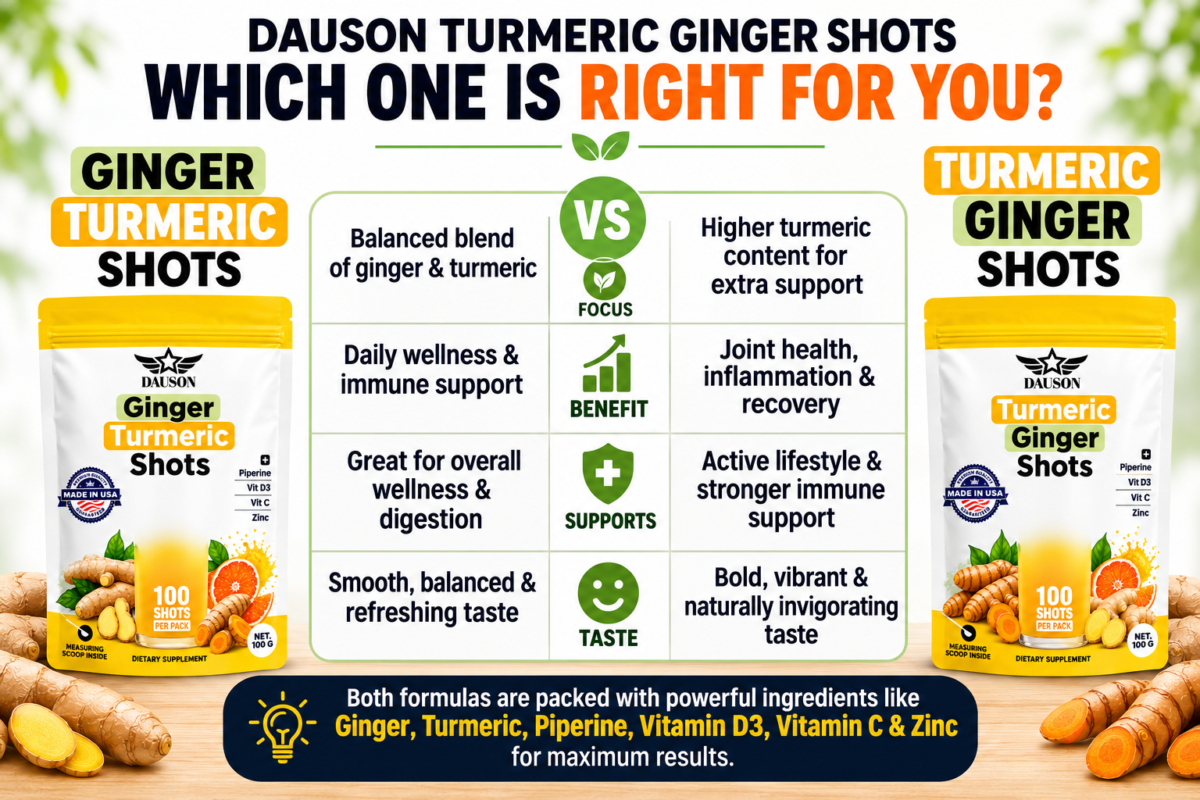
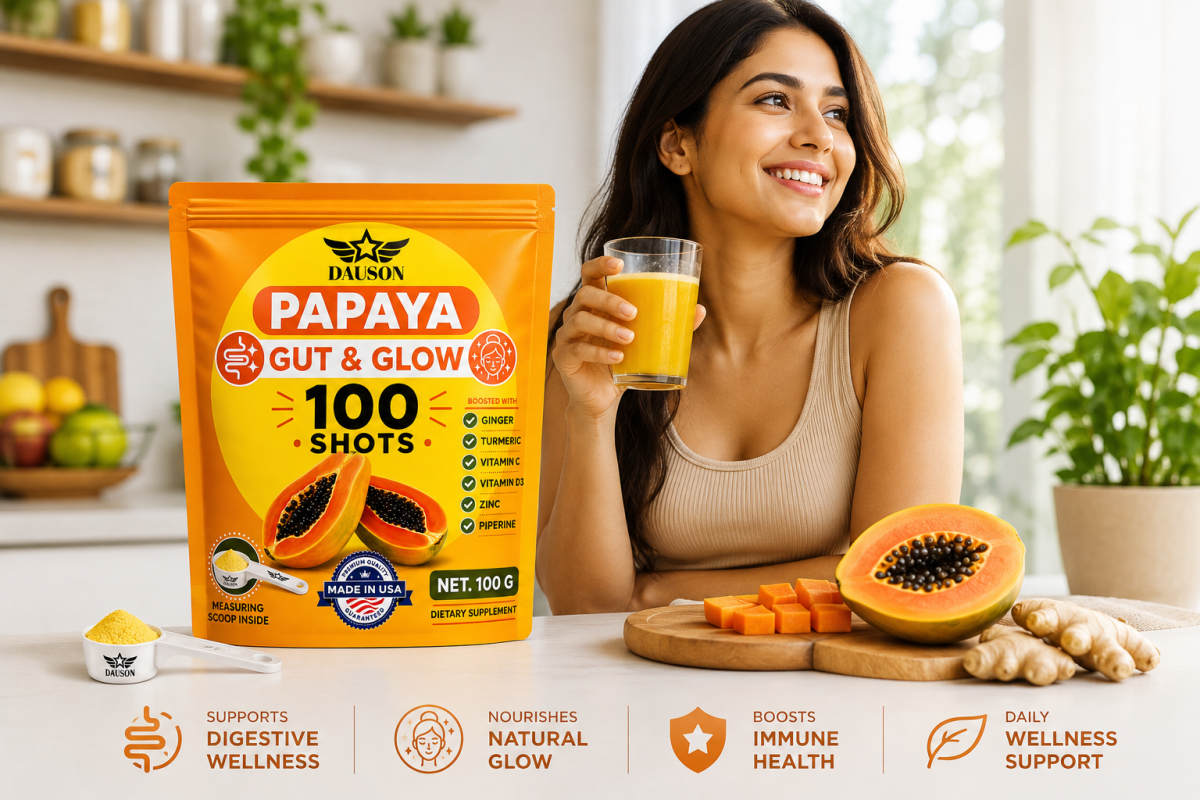
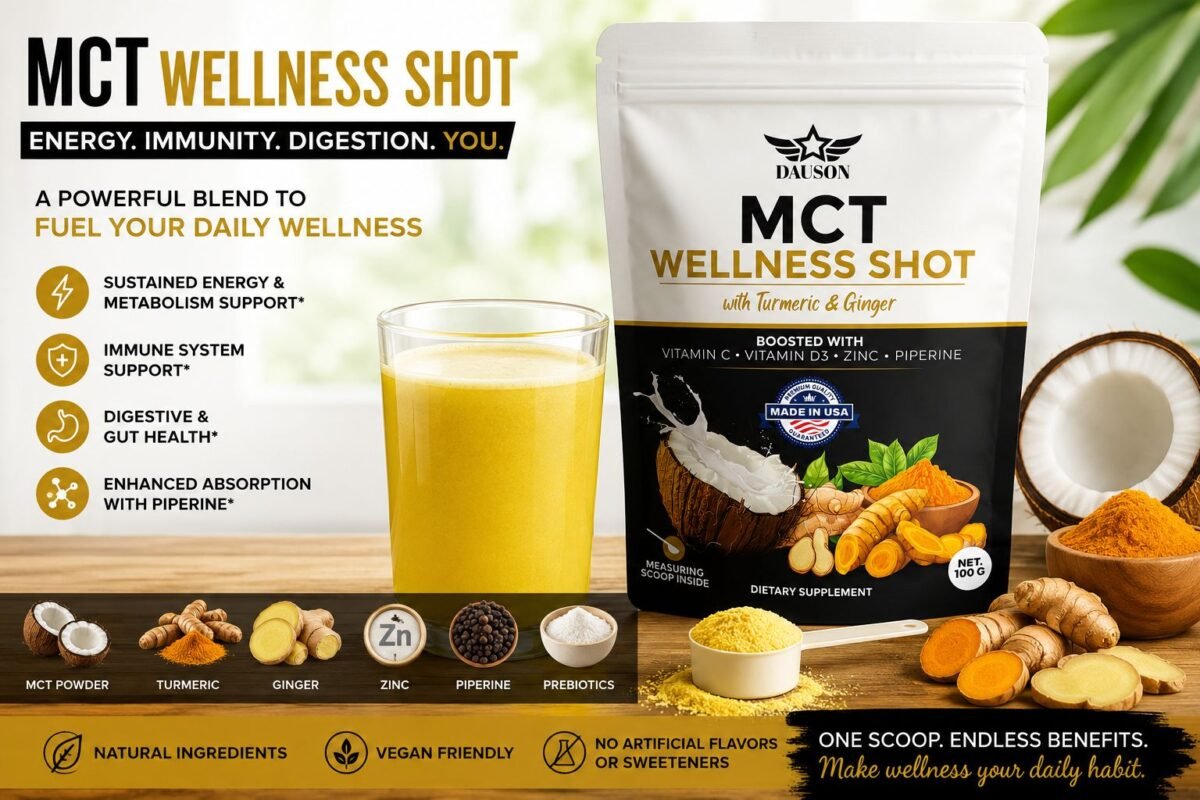
Explore DAUSON Herbal Wellness
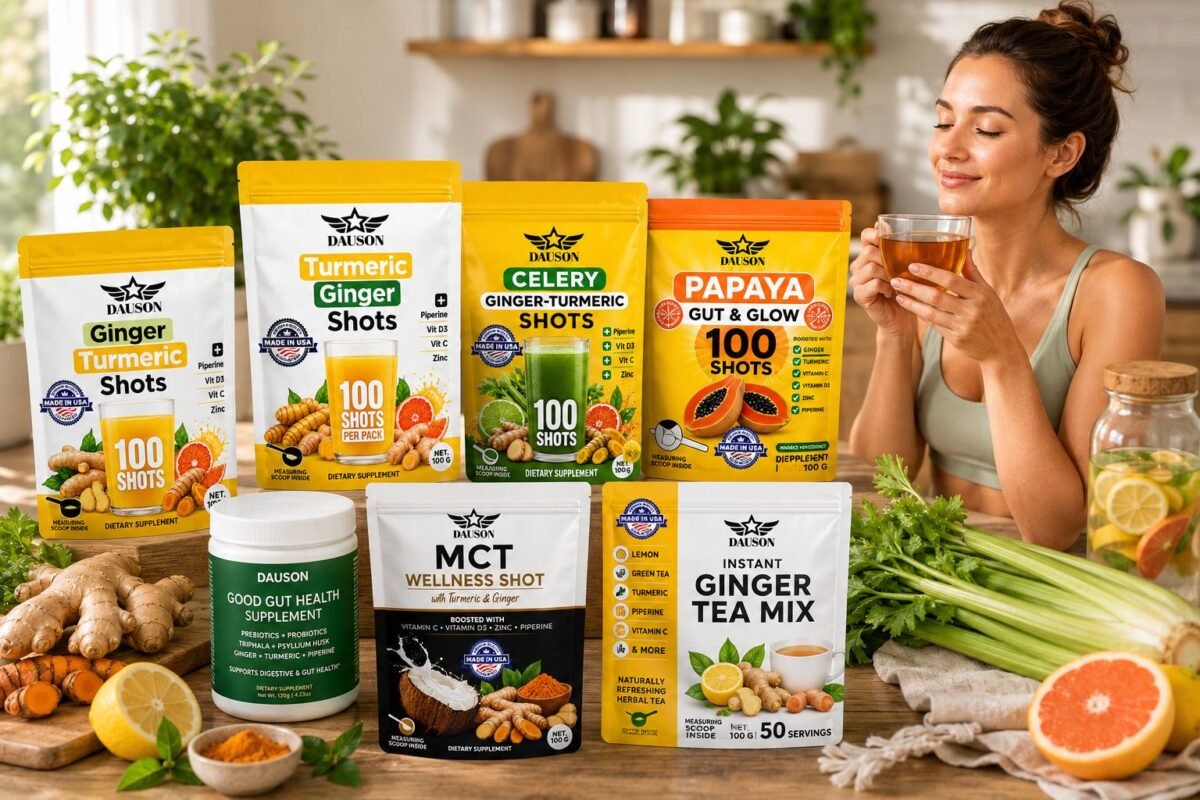
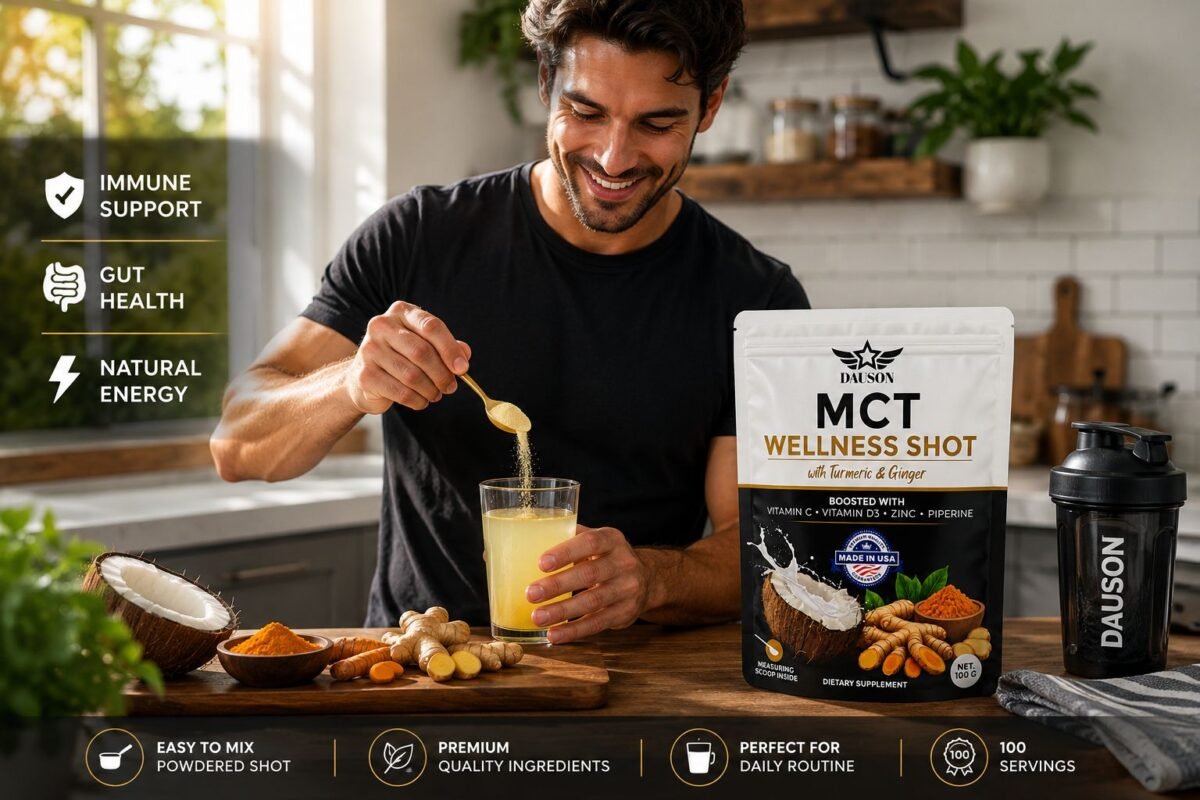
Building a consistent wellness routine starts with making informed choices that fit your lifestyle. DAUSON offers a range of herbal wellness products designed around convenient, everyday routines.
To learn more about the brand, wellness approach, and available products, visit the official DAUSON website.
You can also explore DAUSON’s product selection through the official DAUSON Store on Amazon.
Whether you are learning about ginger, turmeric, gut wellness, or other botanical ingredients, take time to review product ingredients, directions, and other important information before adding a supplement to your routine.
Start Your Wellness Journey
Small, consistent choices can contribute to a more intentional approach to everyday wellness. Explore DAUSON and find options that fit your personal routine.
Explore DAUSON: Official Website
Shop DAUSON: Official Amazon Store